
Bingham Restoration Resources
Smoke Damage Cleaning: Beyond the Visible Soot
Published June 14, 2026
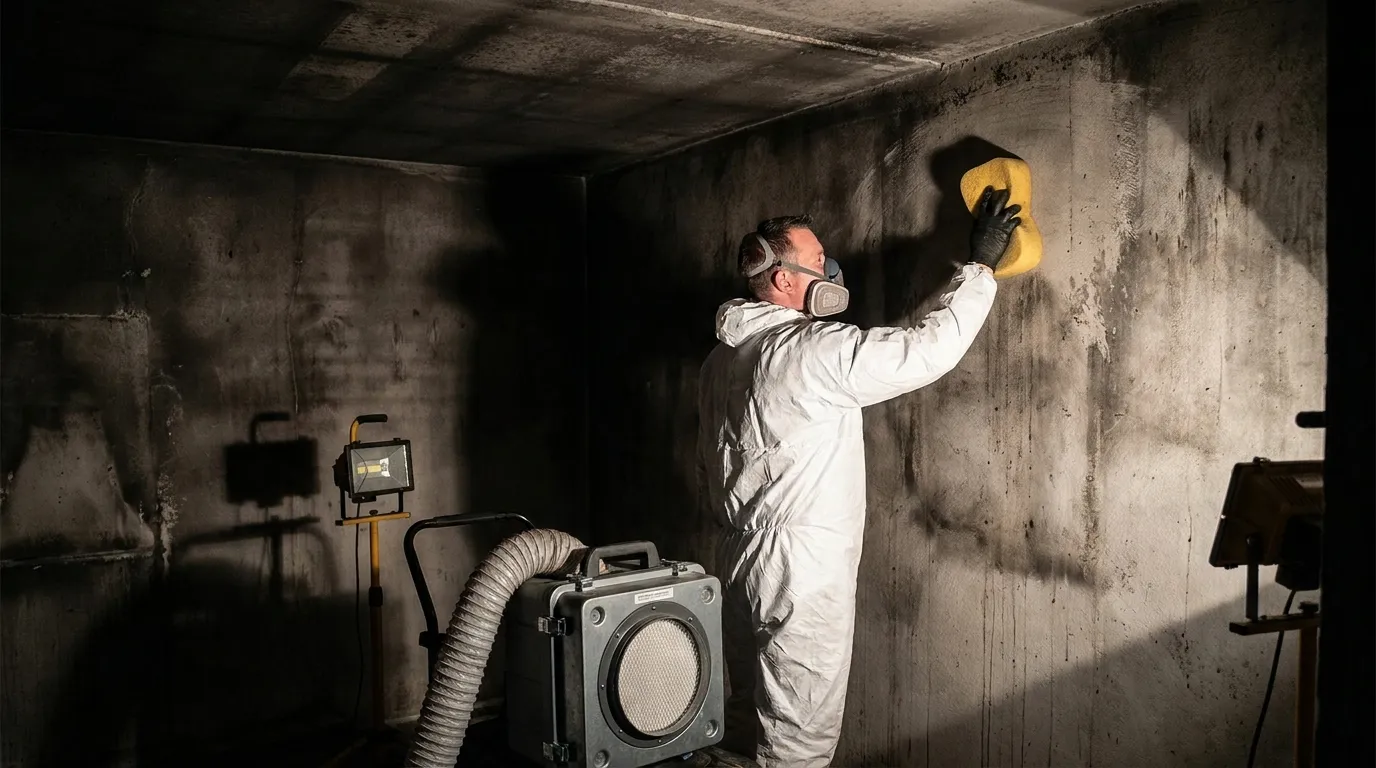
Smoke damage is almost always larger than it looks. The visible soot on a wall is the surface symptom of a problem that has already infiltrated every porous material in the affected zone. This guide explains what proper smoke damage cleaning actually involves, why DIY cleaning often makes things worse, and how to think about scope.
What Smoke Actually Is
Smoke is a mixture of:
- Particulate matter (soot, ash) that settles on surfaces and embeds in porous materials.
- Volatile organic compounds (VOCs) that off-gas from combustion products and carry odor.
- Acidic residues that corrode metals, electronics, and finishes.
- Moisture from incomplete combustion that drives mold risk after the fire.
The cleaning approach changes for each component. A scrub-and-paint approach addresses one component (particulate on hard surfaces) and ignores the other three.
Categories of Smoke
Different fires leave different residues, which require different cleaning approaches.
- Dry smoke from fast, high-temperature fires. Powdery residue. Easier to remove from hard surfaces.
- Wet smoke from low-temperature, smoldering fires. Sticky, hard to wipe, deeply embedded in porous materials.
- Protein smoke from kitchen grease fires. Nearly invisible film with intense odor that resists standard cleaners.
- Fuel oil smoke from furnace puff-backs. Heavy soot, often combined with hydrocarbon residue.
A proper assessment identifies the category before scoping.
The Cleaning Sequence
- Containment. Plastic barriers and negative air with HEPA filtration to isolate the work zone.
- HEPA vacuuming. Surface soot removal from every accessible surface, including ceilings.
- Dry sponge cleaning. Specialty chemical sponges that lift residue without driving it deeper.
- Wet cleaning with appropriate chemistries for the smoke category.
- HVAC cleaning. Ducts and air handler interior cleaned, sometimes coil replacement.
- Porous material assessment. Drywall, insulation, and textiles evaluated for cleaning vs. removal.
- Deodorization. Thermal fogging, ozone, or hydroxyl treatment to neutralize VOCs.
- Sealing and refinishing. Stain-blocking primer and topcoat where surfaces are retained.
Why HVAC Matters So Much
The HVAC system distributes smoke residue throughout the home during and after the fire. A house that “smells smoky” weeks after surface cleaning almost always has contaminated ductwork or air handler components. Cleaning the HVAC is not optional on any smoke loss that ran for more than a few minutes.
What Surfaces Are Salvageable
- Hard non-porous surfaces (tile, sealed counters, glass): Almost always cleanable.
- Painted drywall: Cleanable if surface only, replaced if soot is embedded or if odor persists.
- Hardwood floors: Often refinishable.
- Carpet and pad: Cleanable for light dry smoke, usually replaced for wet or protein smoke.
- Textiles, clothing, bedding: Restored through specialty laundering. Pack-out is common.
- Electronics: Specialty restoration of corrosion-sensitive components is possible but cost-bounded.
For how the broader fire restoration timeline runs, see smoke vs. fire damage.
What Homeowners Get Wrong
- Wiping walls with a household sponge. Drives soot into paint and creates streaking that survives painting.
- Running the HVAC during cleanup. Spreads contamination further.
- Skipping deodorization. The smell returns within days.
- Painting over soot without sealing. Bleeds through the new finish.
Related Services
Bingham Restoration provides full smoke damage cleaning as part of fire damage restoration. Call 520-FLOODED for an assessment.
Frequently Asked Questions
Can I clean smoke damage myself?
Small, contained smoke from a localized kitchen incident on hard, non-porous surfaces is sometimes DIY-feasible. Anything involving structural materials, HVAC contamination, or porous belongings requires professional cleaning. Surface scrubbing without HEPA filtration spreads soot into the rest of the home.
Why does the smell come back after cleaning?
Because the cleaning addressed surface soot but not the source. Soot embeds in porous materials (drywall, fabrics, insulation), and VOCs from combustion off-gas for weeks. Proper restoration includes thermal fogging, ozone treatment, or hydroxyl generation to neutralize the molecules that carry the odor.
How long does smoke damage cleaning take?
A small contained incident is usually 2 to 4 days. A full-home smoke damage scope can run 2 to 6 weeks depending on contents and HVAC contamination. Each phase has its own dry time and clearance verification.
Need Emergency Restoration Right Now?
Our crews arrive in 48 minutes on average and bill your insurance directly.
Call 520-FLOODED