
Bingham Restoration Resources
Water Damage Claim Denied: What to Do Next
Published June 25, 2026
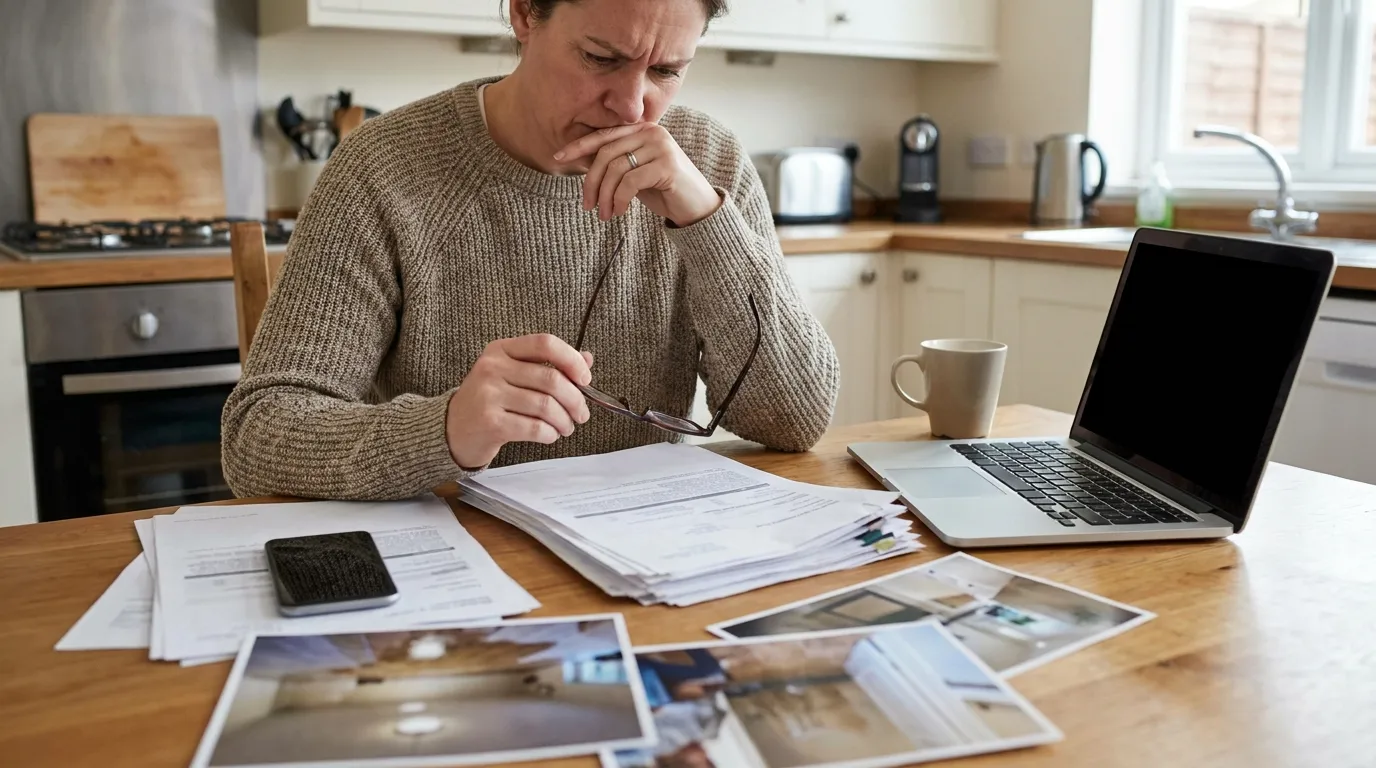
A denied water damage claim is not the final word. Insurance carriers deny claims for specific reasons, and most of those reasons can be addressed with the right response. This guide walks through why denials happen, what your options are, and how to position the claim for a successful appeal.
The Most Common Reasons for Denial
1. Gradual Damage Exclusion
Standard homeowners policies cover sudden and accidental water damage. They exclude gradual damage from a leak that occurred over weeks or months. If the adjuster believes the leak was longstanding, the denial cites this exclusion.
How to address it: Documentation that the loss was discovered suddenly, plumber or restoration company records showing fresh failure rather than long-term deterioration, and moisture readings consistent with recent saturation.
2. Lack of Maintenance
Carriers exclude damage that resulted from failure to maintain the property. Common citations: a known leak that was not repaired, a roof in deteriorated condition, or plumbing past useful life.
How to address it: Maintenance records, professional opinions on the immediate cause being sudden failure rather than deferred maintenance, and a clear factual rebuttal.
3. Uncovered Peril
The most frequent surprise denials involve:
- Flood from rising water (requires NFIP or private flood policy).
- Sewer or drain backup (requires specific endorsement).
- Sump pump failure (requires sump pump endorsement).
- Groundwater seepage (rarely covered).
How to address it: Verify the actual cause of loss. Sometimes the carrier mischaracterizes the loss type. A burst supply line is covered even if water then flowed through a drain.
4. Late Notification
Most policies require prompt notification of loss. Filing weeks or months after the event triggers a late-notice denial.
How to address it: Document the date of discovery, the date of first call, and any extenuating circumstances. Some states have statutory protections against late-notice denials when the carrier was not prejudiced by the delay.
5. Insufficient Documentation
Claims with thin documentation get denied because the carrier cannot establish cause, scope, or value.
How to address it: This is the easiest to prevent and the hardest to fix after the fact. See the prevention section below.
Your Options After a Denial
Step 1: Read the Denial Letter Carefully
The letter cites specific policy provisions. The appeal must address those provisions directly. A generic “I disagree” letter does not move the file.
Step 2: Request the Full Claim File
You are entitled to the adjuster’s notes, the field inspection report, and any expert opinions the carrier relied on. This shows you what evidence was considered and what was missed.
Step 3: Provide Supplemental Documentation
What the carrier did not have is what wins appeals. Common supplements:
- Additional photo and video evidence.
- Statements from contractors who responded to the loss.
- Moisture readings from the restoration company.
- Maintenance records refuting maintenance-failure allegations.
- Independent engineering or plumbing reports.
Step 4: Formal Appeal
Most carriers have a formal appeals process. File in writing, address each cited denial reason specifically, and request a response within a defined timeframe.
Step 5: Appraisal
For scope or valuation disputes (rather than coverage denials), most policies include an appraisal clause. Each side names an appraiser, the two appraisers agree on an umpire, and the panel issues a binding award.
Step 6: Public Adjuster or Attorney
For complex or large claims that remain denied after appeal, professional representation may make sense. Public adjusters work on contingency (typically 10 to 15 percent of the recovery). Insurance attorneys work on hourly or contingency depending on the case.
How to Prevent Denials in the First Place
Most denials trace back to documentation gaps that were preventable. At Bingham Restoration:
- We document the loss from minute one with photos, video, and moisture readings.
- We bill the carrier directly and provide the daily logs adjusters expect.
- We flag potential coverage issues before work begins, not after.
- We coordinate with your agent and adjuster throughout the project.
For more on how insurance interacts with water losses, see our homeowners insurance and water damage guide.
What Bingham Provides After a Denial
If your claim was already denied before you contacted us, we can:
- Review the denial letter and the carrier’s reasoning.
- Provide independent documentation of the loss as we found it.
- Coordinate with public adjusters where appropriate.
- Continue restoration work on a private-pay basis while the appeal proceeds.
Related Services
Bingham Restoration provides full insurance coordination on every restoration project. Call 520-FLOODED for a claim review or new loss response.
Frequently Asked Questions
Can a denied water damage claim be appealed?
Yes. Most denials can be challenged through a formal appeal, supplemental documentation, an independent appraisal, or in some cases public adjuster involvement. Many initial denials are reversed when additional documentation is provided.
Why was my water damage claim denied?
The most common reasons are: gradual leak exclusion, lack of maintenance, the loss was caused by an uncovered peril (like flood or sewer backup without endorsement), the claim was filed too late, or documentation was insufficient to establish the cause.
Should I hire a public adjuster?
For straightforward claims with proper documentation, usually no. For denied claims, complex losses, or large-dollar claims with significant scope disagreement, a public adjuster may be worth the 10 to 15 percent fee. Get a second opinion first.
Need Emergency Restoration Right Now?
Our crews arrive in 48 minutes on average and bill your insurance directly.
Call 520-FLOODED