
Bingham Restoration Resources
10 Signs of Hidden Water Damage in Your Home
Published May 29, 2026
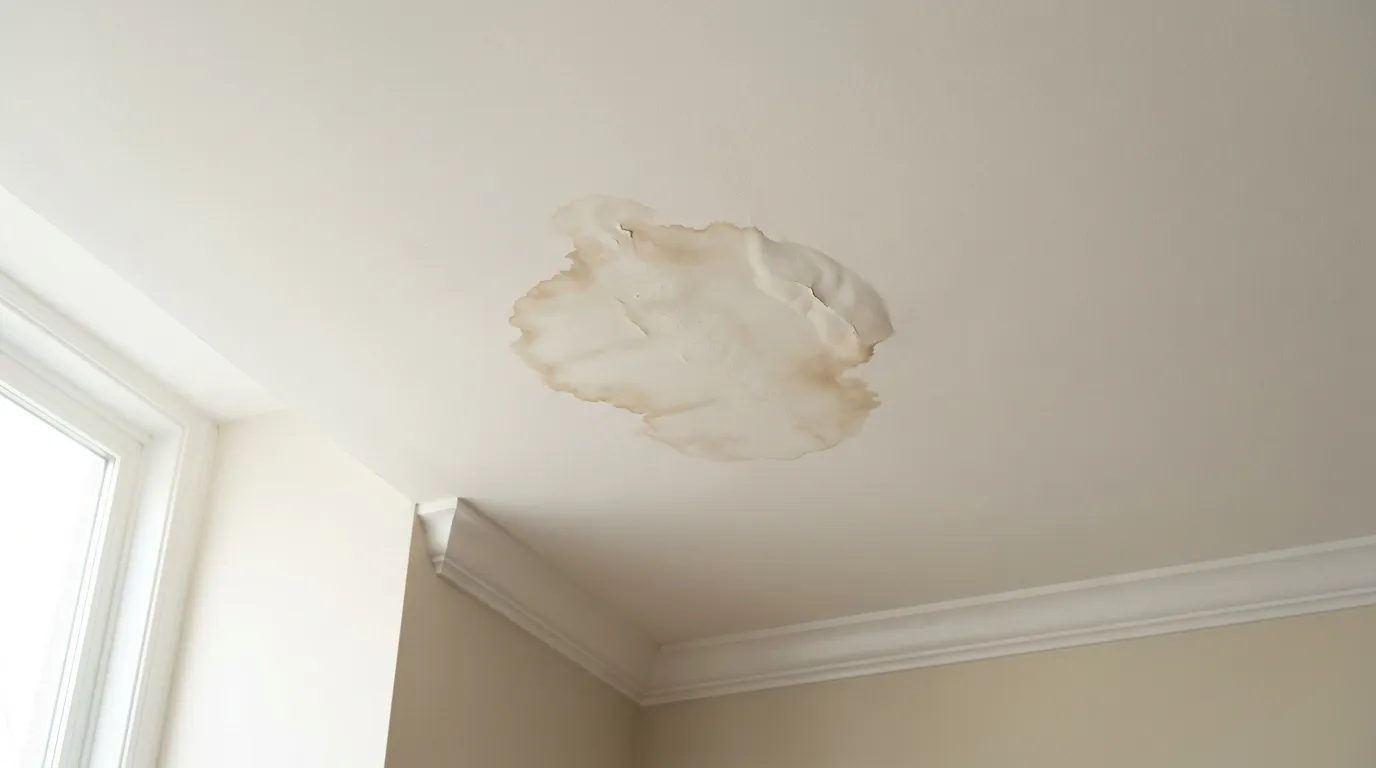
The most expensive water losses are not the ones that announce themselves with a flooded floor. They are the slow leaks behind walls, under floors, and inside ceilings that work for weeks or months before anyone notices. By the time the damage is visible, the rebuild cost has already multiplied. This guide walks through the ten signs we look for on inspection calls and what each one tends to mean.
1. A Musty Smell That Comes and Goes
Mold and bacteria produce volatile organic compounds with a distinctive earthy or sock-drawer smell. If the odor is strongest near a wall, under a sink, or when the HVAC kicks on, that is where to look. Smells that intensify after rain often point to crawlspace or roof intrusion.
2. Paint or Wallpaper That Is Bubbling or Peeling
When drywall behind the paint absorbs moisture, the paint film loses adhesion. Small blisters in flat paint, especially low on walls or near ceilings, almost always indicate a wet substrate.
3. Discolored Ceilings, Even Faintly
A faint yellow or brown halo on a ceiling is dried mineral deposits left behind when water has evaporated from drywall. The shape of the stain tells you about the water path. A circular stain is usually a single drip point. An irregular stain following a joist line is a longer leak.
4. Floors That Have Started to Cup, Crown, or Squeak
Hardwood that has begun to cup is reacting to moisture from the subfloor. New squeaks in an area that used to be silent often mean the subfloor is moving because fasteners have lost their grip in wet wood. See our hardwood floor water damage guide for what these patterns mean.
5. Higher Water Bills With No Lifestyle Change
A 10 to 20 percent jump in your water bill that you cannot explain is one of the strongest early signals of a hidden leak. Slab leaks, irrigation line failures, and toilet flapper issues all show up here long before they show up in a wall.
6. Warm or Cold Spots on a Floor or Wall
Slab leaks on a hot water supply line warm the floor above them. Cold spots on a wall often indicate wet insulation, which loses its R-value when saturated. A simple bare-hand sweep across floors and walls finds anomalies a homeowner can investigate further.
7. Caulk and Grout Failing in a Pattern
Caulk pulling away around a tub, vanity, or window is the building telling you something is moving. Grout that has lost color in a specific area of a shower, or that flakes out when scraped, often means the substrate behind the tile has been wet long enough for the bond to fail.
8. Doors and Windows That Suddenly Stick
Wood door frames absorb moisture from wet framing. A door that always swung freely and now sticks in dry weather is a sign that the framing around it has changed dimension. The same applies to windows that suddenly feel tight to open or close.
9. Sagging or Soft Spots Underfoot
A floor that gives slightly when walked on, especially near bathrooms, kitchens, or exterior walls, has subfloor damage until proven otherwise. Catching this before it cracks the finished floor saves the floor itself.
10. Visible Mold in Small Patches Where You Did Not Expect It
A few black spots in the corner of a ceiling, on a baseboard, or inside a closet are almost never the whole picture. Mold needs moisture, and moisture you cannot see is what fed those spots. Treat any unexpected mold as a moisture investigation, not just a cleanup.
What to Do If You See One of These
A single sign on its own may be benign. Two or more together, or one that worsens between checks, deserves a professional moisture inspection. We arrive with thermal cameras and pin meters and provide a written report, not a sales pitch. If the home is dry, we tell you. If there is active moisture, you have the documentation you need for your insurance carrier and a clear scope for what comes next.
Related Services
Bingham Restoration provides moisture inspections as part of our broader water damage restoration services. Call 520-FLOODED to schedule an assessment.
Frequently Asked Questions
Can water damage be hidden behind walls?
Yes, and it usually is. By the time staining or paint changes are visible on a wall surface, the framing and insulation behind it have typically been wet for weeks. Infrared cameras and pin meters find the moisture before it surfaces.
Will a home inspection catch hidden water damage?
A general home inspection catches what is visible. Active hidden moisture often requires a moisture inspection, which uses thermal imaging and direct measurement. Ask for that scope specifically if a property has any history of leaks.
How much does a moisture inspection cost?
A typical residential moisture inspection runs $250 to $600 depending on size and access. If we identify active damage, the inspection fee is almost always credited toward the restoration scope.
Need Emergency Restoration Right Now?
Our crews arrive in 48 minutes on average and bill your insurance directly.
Call 520-FLOODED