
Bingham Restoration Resources
Vacation Home Water Damage: Prevent a Surprise
Published November 5, 2026
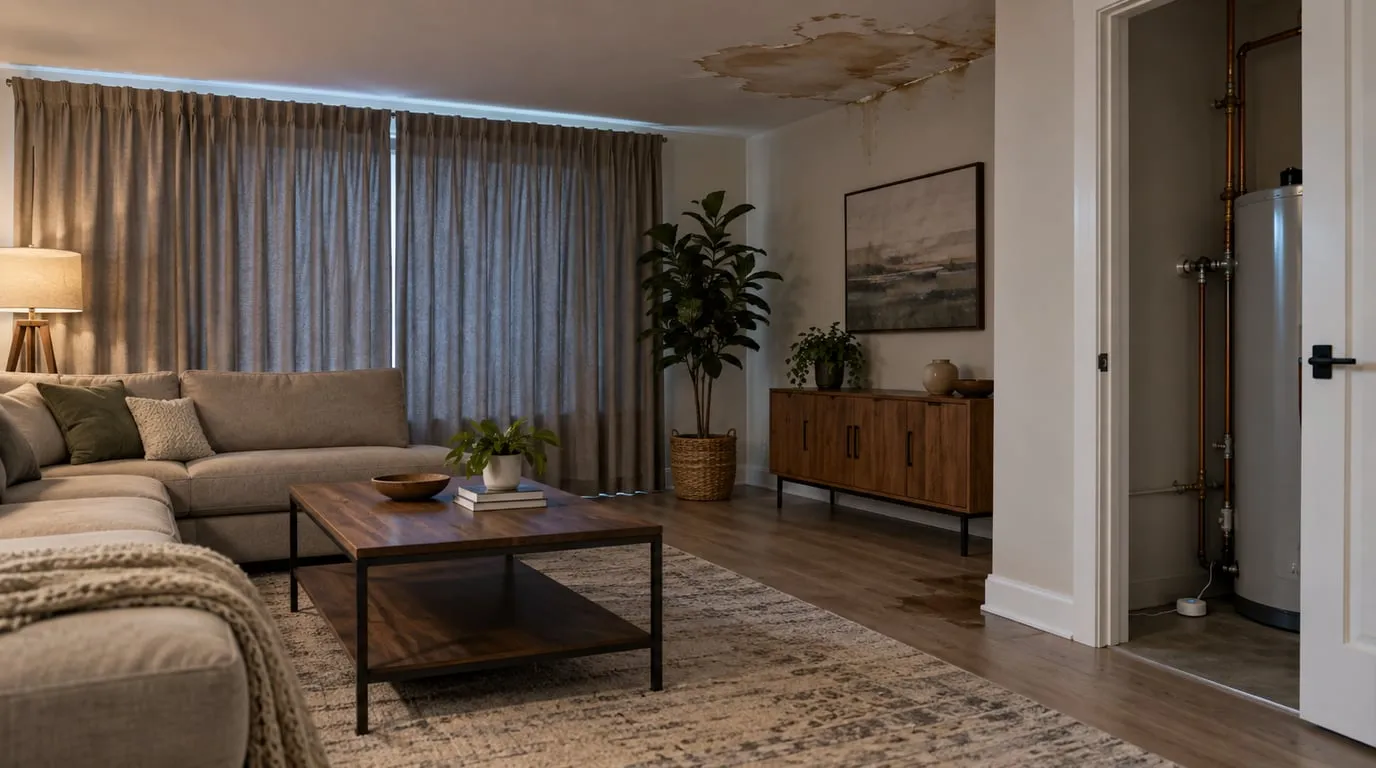
Quick answer: Vacation-home water damage often grows because no one notices a leak. Arrange a system-specific shutoff plan, working alerts, and a local person who can respond. Maintain necessary heat and services, and inspect the property before and after an absence.
Why is an empty home different?
A small supply leak can run for days behind a closed door. Local alarms may sound without anyone hearing them, and cold-weather failures can worsen before an owner returns. Start with previous leaks, appliance connections, and accessible shutoffs. Have a plumber evaluate stiff valves and any equipment that requires a continuous supply.
Which layer of protection does each step add?
| Step | Purpose |
|---|---|
| Shutoff plan | Limits some supply losses |
| Remote sensor | Speeds detection |
| Local contact | Turns alerts into action |
| Property checks | Finds sources sensors may miss |
What should you arrange before leaving?
Test remote alerts and give a responsible contact access instructions, plumbing and restoration numbers, and the location of the main shutoff. Ask about separate supplies for irrigation, heating, and fire protection before closing a valve. The Red Cross frozen-pipe guidance recommends maintaining heat during cold-weather travel.
What if you return to damage?
Avoid standing water near electrical equipment and stop the source only if safely accessible. Photograph from a safe boundary and arrange assessment of concealed wet areas. Use our water damage prevention checklist for routine planning and first-day response guide after a loss. Ask the insurer about vacancy or unoccupancy conditions in your actual policy.
Who can help with the next step?
Bingham Restoration provides water damage restoration and can document the affected areas and next steps. For 24/7 help, call 520-FLOODED (520-356-6333).
Frequently Asked Questions
Should all water be shut off during travel?
A plumber should assess the system, including heating equipment and fire protection, before selecting valves.
Are remote sensors enough?
No. They need working connectivity and a person who can act; they do not detect every water source.
Does an empty home need heat?
Cold-weather protection may require maintained heat. Follow professional and system-specific guidance.
Does insurance always cover an unoccupied home?
Policy conditions vary. Ask the insurer about vacancy, unoccupancy, maintenance, and inspection requirements.
Need Emergency Restoration Right Now?
Our crews arrive in 48 minutes on average and bill your insurance directly.
Call 520-FLOODED