
Bingham Restoration Resources
Water Damage Prevention: A Homeowner Checklist
Published October 10, 2026
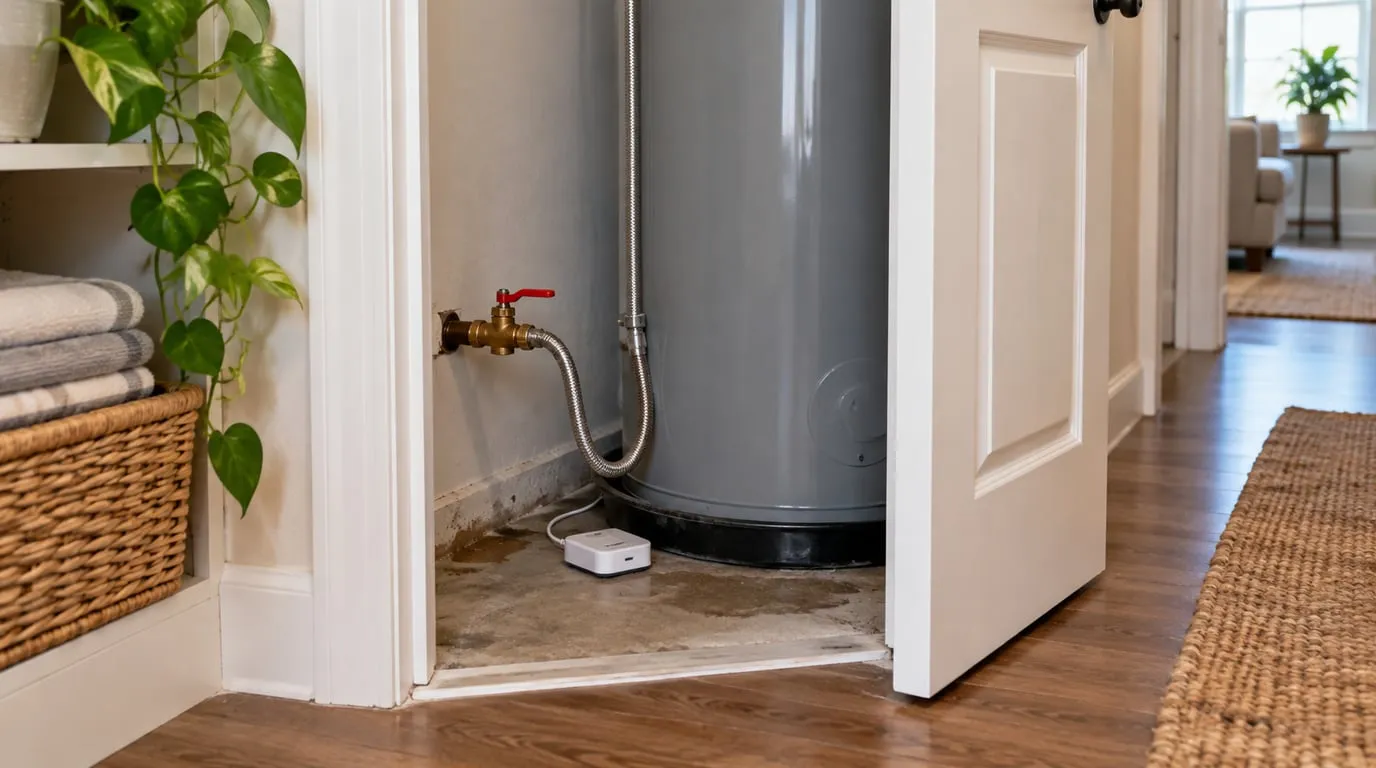
Quick answer: A useful prevention checklist covers shutoff access, appliance connections, exterior drainage, sensors, and inspections of past leak areas. Repair known problems before travel or cold weather and make sure someone can respond to an alarm.
Which checks come first?
Start with previous leaks and plumbing above finished rooms. Look under sinks, around the water heater, and behind accessible appliances. Mineral trails, corrosion, swollen cabinet bases, or unexplained dampness deserve attention. Have a plumber assess stiff or damaged valves rather than forcing them.
| Area | Prevention check |
|---|---|
| Main shutoff | Know location and safe operation |
| Appliances | Inspect hoses and fittings |
| Roof drainage | Check gutters and discharge |
| Basement | Review sump and window wells |
| Sensors | Test power and alert delivery |
How should you use leak sensors?
Follow device instructions and prioritize places where leaking water collects. Test that notifications reach a person who can act. A local alarm offers limited help in an empty house.
Automatic shutoff devices require proper installation and a plan for necessary water supplies, including fire protection. They do not detect every roof, groundwater, or drain problem. Keep visual inspections alongside detection technology.
What information should stay ready?
Keep plumbing and restoration contacts, insurer details, and shutoff instructions accessible to a responsible backup contact. Photograph major belongings before a loss; the NFIP preparedness guidance recommends a contents record.
If water escapes, use our first 24 hours checklist. Add frozen pipe prevention before cold weather. Review the plan after appliance replacement or remodeling because connections, shutoffs, and sensor locations may change.
Who can help with the next step?
Bingham Restoration provides water damage restoration and can document the affected areas and next steps. For 24/7 help, call 520-FLOODED (520-356-6333).
Frequently Asked Questions
Where should leak sensors go?
Follow the manufacturer instructions and prioritize accessible low points near supply connections and past leaks.
Should I shut off water before travel?
Discuss the system with a plumber, including heating equipment and any fire protection supply.
When should hoses be replaced?
Follow manufacturer guidance and replace damaged or deteriorating connections found during routine checks.
Can a checklist prevent every loss?
No. It reduces avoidable problems and improves response, but concealed failures and weather can still cause damage.
Need Emergency Restoration Right Now?
Our crews arrive in 48 minutes on average and bill your insurance directly.
Call 520-FLOODED