
Bingham Restoration Resources
How to Get Smoke Smell Out of a House
Published July 23, 2026
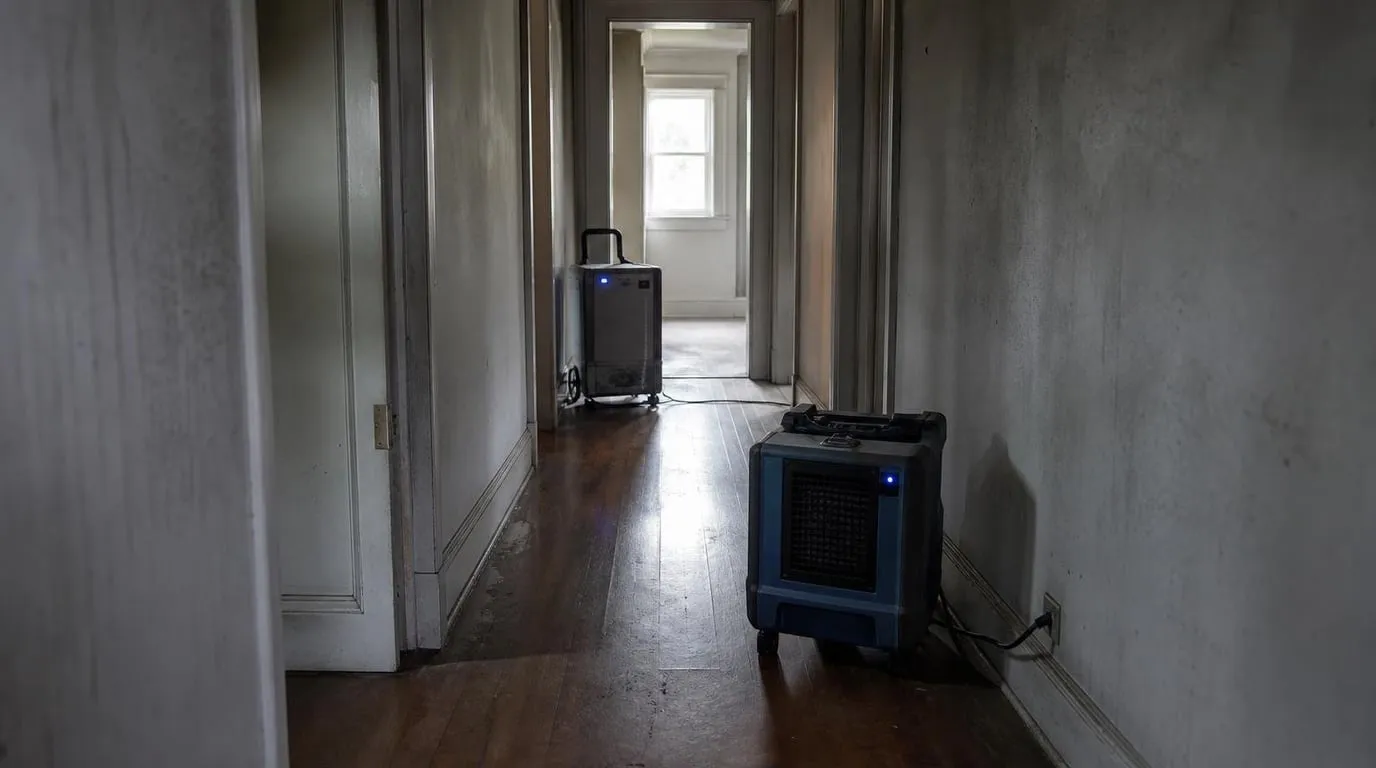
Smoke odor is the most persistent artifact of any fire, and the most commonly underestimated. Homeowners scrub, repaint, and set out bowls of vinegar, and the house smells fine for a week — until the first hot day pulls the odor back out of the walls.
Quick answer: Smoke smell persists because odor compounds absorb into porous materials and re-release over time. Getting it out for good requires removing the source residue (cleaning or discarding contaminated materials), cleaning the HVAC system, and then neutralizing absorbed odor with professional methods like thermal fogging, ozone, or hydroxyl treatment. Masking agents and surface-only cleaning fail reliably.
Why Smoke Smell Survives Cleaning
During a fire, hot expanding air drives microscopic soot particles and volatile odor compounds into every porous surface and every cavity the air can reach: wall interiors, insulation, subfloor seams, closet contents, duct runs. As the house cools, materials contract and lock those compounds in. Afterward, warmth and humidity re-open the pathways, which is why the smell returns on hot days and after showers.
This is also why the smell survives repainting. Paint is not an odor barrier unless the surface was cleaned and primed with a dedicated blocking sealer first.
What Works and What Doesn’t
| Method | Verdict |
|---|---|
| Ventilation and airing out | Helpful first step; insufficient alone |
| Surface cleaning with degreaser | Necessary: removes the residue that feeds odor |
| Baking soda, vinegar, charcoal | Marginal; absorbs some airborne odor, does nothing for absorbed compounds |
| Candles, sprays, plug-ins | Masking only; odor returns unchanged |
| Regular repainting | Fails without cleaning and blocking primer |
| HEPA air scrubbing | Removes particulate; part of the professional sequence |
| Thermal fogging | Effective: deodorizer penetrates the same pathways smoke took |
| Ozone treatment | Effective for severe odor; requires unoccupied, sealed space |
| Hydroxyl generators | Effective and safe for occupied homes; slower than ozone |
The Professional Sequence
- Source removal. Charred materials and unsalvageable porous contents leave the house. No deodorization outruns an active source.
- Residue cleaning. Every affected surface gets cleaned with chemistry matched to the soot type: dry soot, greasy synthetic residue, and protein film each need different products, as covered in our soot cleanup guide.
- HVAC decontamination. Ducts, coils, and housings cleaned so the system stops re-seeding the house.
- Deodorization. Thermal fog, ozone, or hydroxyl, chosen by severity and occupancy.
- Sealing. Odor-blocking primer on surfaces that cannot be fully cleaned, such as charred-but-sound framing.
Kitchen protein fires deserve special mention: the residue is almost invisible but the odor is severe and rancid. That scenario is covered in kitchen fire damage cleanup.
When Insurance Covers It
Smoke odor removal is part of the fire loss on standard homeowners policies, including odor from a neighboring unit’s fire or nearby wildfire in many cases. Documentation of the source event matters; see smoke vs. fire damage for how carriers treat the distinction.
Related Services
Bingham Restoration provides full smoke odor elimination, including cleaning, HVAC, fogging, ozone, and hydroxyl, across all our service areas. See our fire damage restoration services or call 520-FLOODED.
Frequently Asked Questions
Why does smoke smell come back after cleaning?
Odor molecules penetrate porous materials like drywall, insulation, carpet pad, and wood, and re-release over time, especially with heat and humidity. Surface cleaning removes residue you can reach but not compounds absorbed into materials.
Does ozone treatment remove smoke smell?
Ozone oxidizes odor molecules effectively, but it requires an unoccupied, sealed space and professional handling, since ozone is harmful to people, pets, plants, and some materials. Hydroxyl generators work more slowly but are safe in occupied homes.
Will painting over smoke damage seal the smell?
Only with proper prep. Surfaces must be cleaned of soot first, then primed with a dedicated odor-blocking sealer. Regular paint over uncleaned smoke residue fails, and the odor bleeds through.
How long does professional smoke odor removal take?
Typically 3 to 7 days for cleaning plus deodorization treatment, depending on severity and method. Thermal fogging and ozone work in hours to days; hydroxyl treatment runs several days.
Can HVAC systems spread smoke smell?
Yes, and they often re-contaminate cleaned homes. Smoke residue settles in ducts, on coils, and in filter housings, then redistributes with every cycle. Duct cleaning is standard scope in real smoke losses.
Need Emergency Restoration Right Now?
Our crews arrive in 48 minutes on average and bill your insurance directly.
Call 520-FLOODED