
Bingham Restoration Resources
Soot Cleanup: Why DIY Usually Makes It Worse
Published July 25, 2026
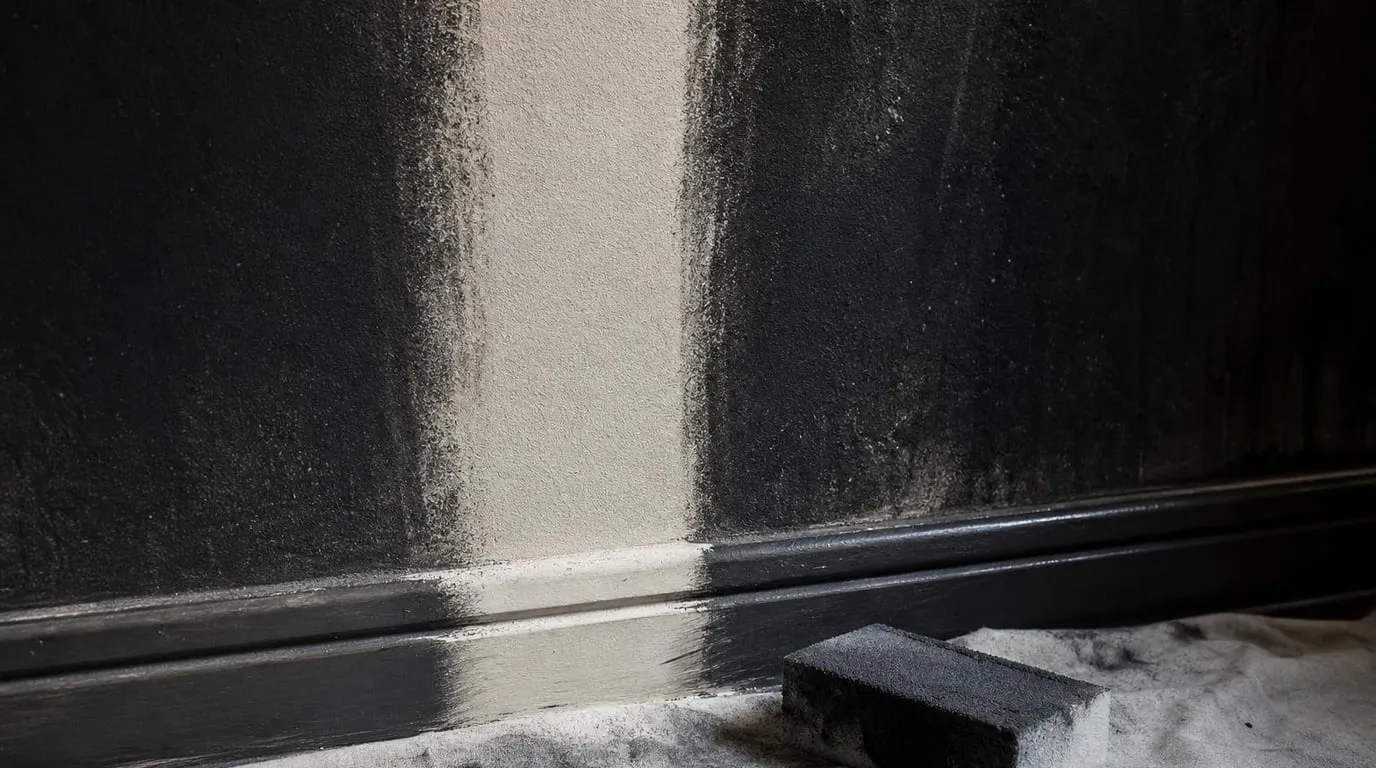
Soot looks like dust and behaves like nothing else in the house. It is acidic, oily or dry depending on what burned, electrically charged, and fine enough to penetrate closed cabinets. The most expensive soot mistakes happen in the first hour, when someone attacks a blackened wall with a wet rag.
Quick answer: Do not wet-wipe soot. Water and household cleaners drive soot into paint, drywall, and grout permanently. Correct cleanup starts with HEPA vacuuming and dry chemical sponges on dry soot, followed by chemistry matched to the residue type. Greasy soot from burning plastics and protein residue from kitchen fires are professional-grade problems from the start.
Not All Soot Is the Same
| Soot type | Source | Behavior |
|---|---|---|
| Dry soot | Fast, hot fires burning wood and paper | Powdery; lifts off with dry methods |
| Wet/greasy soot | Smoldering fires, burning plastics and synthetics | Smears on contact; bonds to surfaces |
| Protein residue | Kitchen fires (meat, grease) | Nearly invisible film, extreme odor, needs enzyme cleaners |
| Puff-back residue | Furnace misfires | Oily, sticky, distributed by the duct system |
The type determines the method, and using a dry-soot method on greasy soot (or the reverse) sets the stain. This is the core reason DIY soot cleanup so often converts a cleanable surface into a repaint-or-replace surface.
The Right Sequence
- Protect and ventilate. N95 or better, gloves, and airflow. Keep foot traffic off soot-contaminated carpet; walking grinds particles into fibers.
- HEPA vacuum first. Nozzle held just off the surface, pulling loose particles without pressing anything in.
- Dry chemical sponge. Overlapping downward strokes, rotating to clean faces, no water. This removes the bulk of dry soot from walls and ceilings.
- Chemistry for the remainder. Degreasers for synthetic residue, enzyme products for protein film, solvent cleaners where finishes tolerate them. Test areas first.
- Deodorize and seal. Residue removal alone rarely eliminates odor; see how smoke smell is fully removed.
Why Speed Matters More Than Method
Soot’s acidity makes fire losses time-critical even after the fire is out:
- Hours: plastics and marble begin discoloring.
- Days: metal fixtures etch and pit, grout and unsealed stone stain permanently, countertops yellow.
- Weeks: odor compounds migrate deeper; corrosion reaches electronics and wiring.
Insurance adjusters know this curve, which is why mitigation is expected promptly after a fire loss. Delayed cleanup can shift costs from “cleaning” to “replacement” — and occasionally into coverage disputes about secondary damage.
When It’s Beyond DIY
Call professionals when soot covers more than one room, when anything synthetic or structural burned, after any kitchen protein fire, for puff-backs (the ducts are contaminated), or when the home has occupants with respiratory conditions. Whole-home soot events also involve HVAC decontamination and contents cleaning, typically through a pack-out process. For the full cost picture, see fire damage restoration cost.
Related Services
Bingham Restoration’s fire crews handle soot removal, odor elimination, and rebuild after fires of every size. See our fire damage restoration services or call 520-FLOODED.
Frequently Asked Questions
Can I clean soot off walls myself?
Light dry soot on hard, sealed surfaces can be lifted with a dry chemical sponge used correctly (no water, no scrubbing). Wet wiping, all-purpose cleaners, or scrubbing greasy soot smears it into the surface and can make it permanent.
Is soot dangerous to breathe?
Yes. Soot particles are fine enough to reach deep lung tissue and carry combustion byproducts, some carcinogenic. Cleanup warrants an N95 at minimum, and heavy contamination calls for professional PPE and HEPA filtration.
Why does soot damage get worse over time?
Soot is acidic. Within days it etches chrome and aluminum, yellows plastics and countertops, tarnishes metal, and permanently stains grout and porous stone. Fast cleanup prevents secondary damage that cleaning cannot reverse.
What is a dry cleaning sponge?
A vulcanized rubber sponge that lifts dry soot off surfaces without water or chemicals. It is the correct first tool for most soot removal, used in overlapping strokes and discarded as it loads up.
Does insurance pay for soot cleanup?
Yes, soot and smoke residue cleanup are part of any covered fire loss, including small contained fires, furnace puff-backs, and in many policies candle or fireplace incidents.
Need Emergency Restoration Right Now?
Our crews arrive in 48 minutes on average and bill your insurance directly.
Call 520-FLOODED