
Bingham Restoration Resources
Sewage Backup in Las Vegas: Causes and Cleanup
Published September 27, 2026
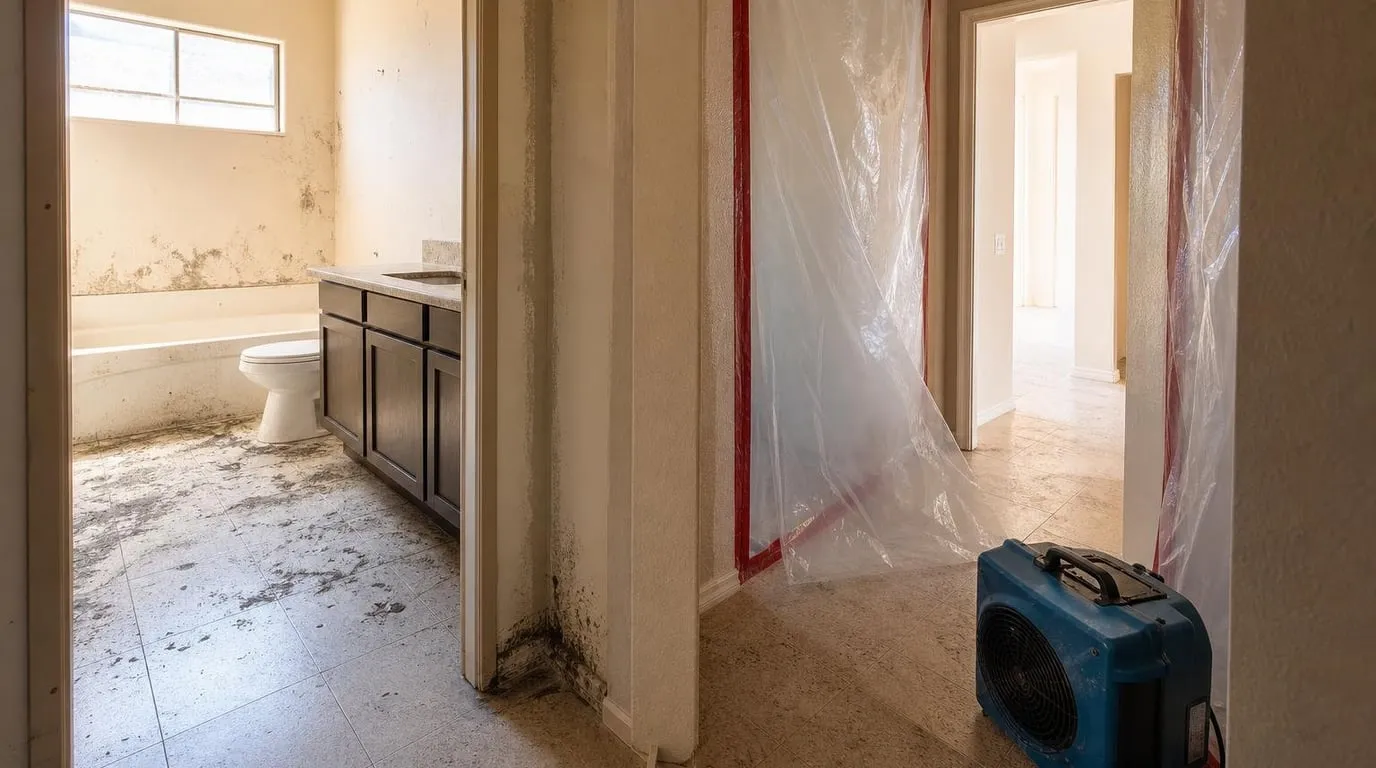
Sewage backup is the loss nobody plans for in Las Vegas, and the desert offers no discount: when a monsoon cell drops an inch of rain on the valley in an hour, the sanitary system surcharges, and the lowest drains in thousands of homes become the relief valve. The rest of the year, aging laterals and root intrusion do the same work one house at a time.
Quick answer: Sewage backup water is Category 3, grossly contaminated, regardless of volume. Stop using water in the house, keep people and pets away, ventilate, and photograph before any cleanup. Professional response involves containment, full PPE, removal and disposal of all porous materials the water touched, disinfection, and verified drying. Coverage requires a sewer backup endorsement that standard Nevada policies do not include by default.
Why It Happens in the Valley
Monsoon surcharge. Las Vegas drainage was engineered for a desert, and summer storms exceed it routinely. When storm flow infiltrates or overwhelms sanitary lines, the system backs up through the lowest fixtures (floor drains, showers, ground-floor toilets), often in many homes simultaneously. The same storm dynamics behind valley flash-flood water damage drive the sewage variety.
Aging infrastructure. Older neighborhoods like downtown, the east side, and early Henderson run clay and cast-iron laterals at the end of their design lives: root intrusion at joints, bellies from settling in expansive soils, and scale buildup that narrows the pipe until a blockage sends everything back toward the house.
The ordinary culprits. Grease, “flushable” wipes, and construction debris block laterals in homes of any age.
Backwater valves, one-way check valves on the lateral, prevent the municipal-surcharge scenario and are the single best hardware investment for homes that have experienced one.
Category 3 Means What It Says
Sewage carries bacteria, viruses, and parasites, and its hazards are airborne as well as contact-based once aerosolized. The cleanup rules follow the water category framework at its strictest tier:
- Containment and PPE: affected areas isolated under negative air; crews in full protective equipment.
- Removal, not drying, of porous materials: carpet, pad, drywall (flood-cut above the contamination line), insulation, and contaminated soft contents leave the house as regulated waste.
- Cleaning and disinfection of framing, slab, and hard surfaces.
- Verified drying with logged moisture readings, since a disinfected-but-damp structure just grows the next problem.
- Rebuild after verification.
Desert heat is no ally here — it accelerates bacterial activity and odor in the hours before cleanup starts, which is why same-day response matters as much in Las Vegas as anywhere humid.
The Endorsement Gap
Standard homeowners policies exclude water that backs up through sewers and drains. The fix is a water backup endorsement, typically modest money for five figures of protection, and it is the first thing to check on any Las Vegas policy, because monsoon-surcharge events are precisely the scenario it exists for. Claim handling otherwise follows the standard playbook in filing a water damage claim.
Related Services
Bingham Restoration runs Category 3-equipped crews across the Las Vegas valley, 24/7, with containment, regulated disposal, and rebuild. See our water damage restoration services or call 520-FLOODED.
Frequently Asked Questions
What causes sewage backups in Las Vegas?
Flash floods overloading the sanitary system, root intrusion into aging laterals in older neighborhoods, grease and wipes blockages, and line settling in the valley's expansive soils. Monsoon season concentrates the municipal-surcharge variety.
Is sewage backup water dangerous?
Yes. It is Category 3 black water carrying bacteria, viruses, and parasites. Skin contact and aerosolized exposure are both health risks. Keep people and pets out of affected areas and ventilate.
Does insurance cover sewage backup in Las Vegas?
Only with a water backup/sewer endorsement, which standard Nevada homeowners policies exclude by default. The endorsement costs little and is one of the highest-value add-ons a homeowner can carry.
Can I clean up a small sewage backup myself?
A toilet-sized overflow on tile, with gloves and disinfection, perhaps. Anything reaching carpet, drywall, or multiple rooms requires Category 3 protocols (containment, PPE, disposal of porous materials) that DIY cannot replicate safely.
What gets thrown away after a sewage backup?
All porous materials the water touched: carpet and pad, affected drywall and insulation, particleboard furniture, and contaminated soft goods. Hard surfaces are cleaned and disinfected; the structure is then dried and verified.
Need Emergency Restoration Right Now?
Our crews arrive in 48 minutes on average and bill your insurance directly.
Call 520-FLOODED