
Bingham Restoration Resources
Thermal Imaging for Water Damage: Seeing Inside the Walls
Published September 29, 2026
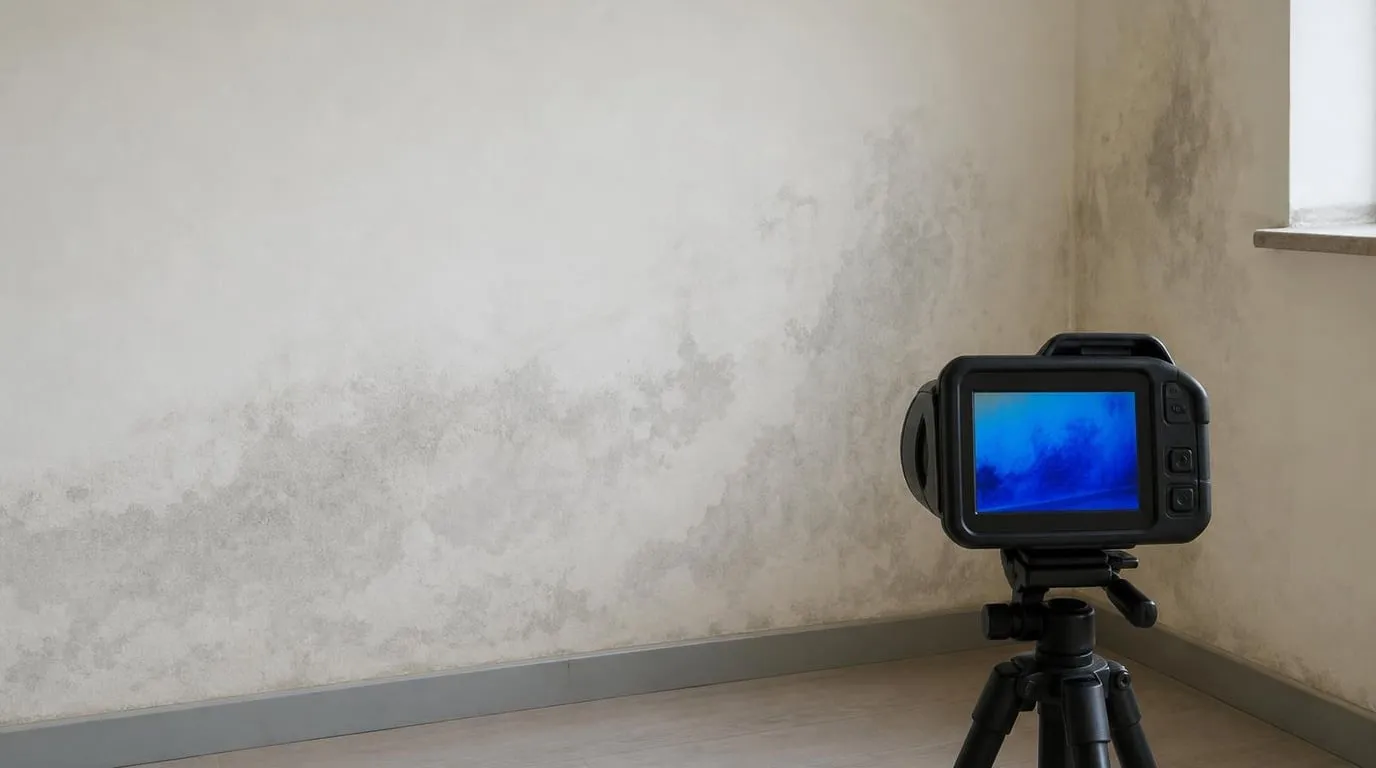
Water damage restoration has an information problem: the water you can see is a minority of the water you have. The majority sits inside assemblies (wall cavities, under flooring, above ceilings) where it damages quietly and escapes any scope built by eye. Thermal imaging is how modern restoration sees the rest.
Quick answer: Thermal cameras detect hidden moisture by reading surface temperatures: evaporating water cools materials, so wet zones appear as cooler patterns invisible to the eye. Crews use imaging to map moisture spread rapidly, then confirm every finding with moisture meters, because thermal cameras see temperature rather than water. The result is drying scope defined by data, and claim documentation adjusters accept.
The Physics, Briefly
Evaporation cools. A damp patch of drywall runs a few degrees cooler than dry wall around it, and an infrared camera renders that difference as a visible pattern: the plume spreading from a ceiling leak, the wick line rising from a wet baseplate, the path water traveled under flooring. None of it requires opening anything — a room scans in minutes.
What the camera does not do is see water, or see through anything. It reads surface temperature only, so moisture registers indirectly, and several things mimic it: air infiltration around outlets, thermal bridging at studs, shadows, HVAC drafts. This is why the professional standard is image, then meter: thermal imaging proposes, moisture meters confirm. An anomaly that meters dry is a draft; one that meters wet becomes scope.
What It Changes in Practice
Mapping the real loss. After extraction, imaging traces how far water actually traveled, routinely 6 to 10 feet beyond visible damage, into adjacent rooms and under intact-looking floors. That map decides where drying equipment goes and where flood cuts are needed, replacing guesswork with a moisture picture. It is the primary tool behind finding the hidden damage that surfaces months later in under-scoped jobs.
Finding sources. A ceiling stain’s leak is rarely above the stain; water runs along framing before dropping. Imaging follows the cool trail to the entry point: roof intrusion, a fitting, a shower pan. Hot-side slab leaks announce themselves as warm floor plumes.
Verifying the drying. Imaging during the structural drying process shows shrinking wet zones day over day, complementing the meter logs that define completion.
Documenting the claim. A thermal image of a saturated wall is scope evidence a photograph of intact paint can never be. Adjusters respond to it, which is why imaging-supported documentation reduces the under-scoping disputes covered in filing a water damage claim.
Questions Worth Asking Any Restoration Company
Does the crew carry thermal imaging and use it on every water loss? Are findings confirmed with penetrating and non-penetrating meters? Do the reports include the images? Companies that scope by eye are estimating; companies that scope by imaging and meters are measuring, and the difference lands in your walls a year later.
Related Services
Bingham Restoration scopes every water loss with thermal imaging and metered verification, and documents both for your insurer. See our water damage restoration services or call 520-FLOODED.
Frequently Asked Questions
How does thermal imaging find water damage?
Wet materials cool as water evaporates from them, so moisture shows as cooler patterns on an infrared camera. The camera sees temperature, not water itself, which is why findings get confirmed with moisture meters.
Can thermal cameras see through walls?
No. They read surface temperature only. Moisture inside a wall shows up because it cools the surface above it, an indirect signature rather than X-ray vision.
What are the limits of thermal imaging for moisture?
It can miss moisture behind insulation or thermal breaks, misread reflective surfaces, and show false positives from air leaks, shadows, or HVAC effects. Every thermal anomaly needs meter verification before it becomes scope.
Why does thermal imaging matter for my insurance claim?
Thermal images document hidden moisture extent visually and persuasively, supporting scope for drying and demolition that a surface glance would miss, and preventing under-scoped claims.
Is thermal imaging worth it for finding leaks?
Yes, as a locating tool. It rapidly narrows where water is traveling, whether ceiling leaks, slab leaks, or roof intrusion paths, so investigation and repair open the right spot instead of exploratory holes.
Need Emergency Restoration Right Now?
Our crews arrive in 48 minutes on average and bill your insurance directly.
Call 520-FLOODED