
Bingham Restoration Resources
Nashville Flood Cleanup: Cumberland Basin Flooding Response
Published September 26, 2026
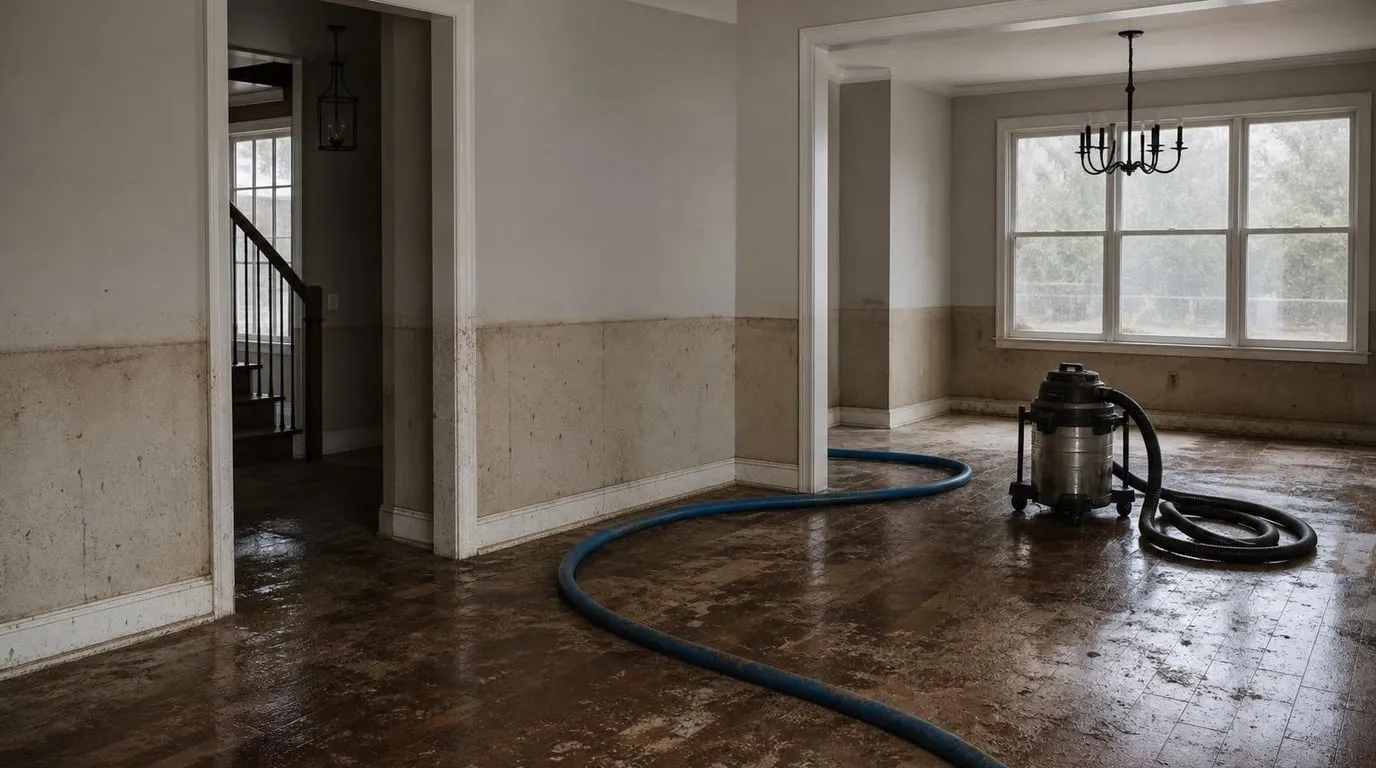
Nashville’s relationship with flooding is written into its geography: a river city in a basin that funnels some of the country’s heaviest rain events. From the 2010 flood to the 2021 flash floods, Middle Tennessee keeps relearning the same lesson — flood water here rises fast, carries everything upstream of you, and leaves a recovery that is equal parts demolition, decontamination, and race against humidity.
Quick answer: Nashville flood cleanup is Category 3 work: all flood water is treated as contaminated, so saturated porous materials such as carpet, pad, drywall to above the flood line, and insulation are removed rather than dried. After gutting comes decontamination, verified structural drying, and rebuild. Rising water is covered only by flood insurance, so documenting how the water entered your home matters as much as documenting what it ruined.
Why All Flood Water Is Dirty Water
Water that crossed ground, streets, and overloaded sewers before entering your home arrives carrying sewage, fuel residue, agricultural runoff, and soil organisms. The IICRC classifies it Category 3 regardless of how clean it looks, with the removal-not-drying consequences laid out in our water categories guide. The practical translation for a flooded Nashville home:
- Out: carpet and pad, drywall flood-cut above the waterline, insulation, particleboard cabinetry and furniture, mattresses and upholstered pieces that soaked.
- Cleanable: framing, masonry, solid wood, and hard-surface contents, all decontaminated and dried.
- Case by case: hardwood floors, documents and photos (see what can be saved), electronics.
The Humidity Clock
Middle Tennessee flood recoveries run against the same 48-hour mold window as everywhere else, with less forgiveness: ambient humidity keeps gutted structures wet without mechanical help, and warm-season floods incubate growth in days. The professional sequence exists because Nashville’s climate audits every shortcut: gut fast, then commercial dehumidification with daily moisture logging until framing verifies dry, per the structural drying process. Homes closed up damp grow mold behind new drywall reliably; the regional pattern is familiar from our Nashville mold guide.
The Insurance Split That Surprises People
Rising water from outside is not a homeowners claim. It requires flood insurance, NFIP or private, and many Nashville-area victims discover the gap after the fact, especially outside mapped flood zones where most flood losses actually occur. Homeowners policies do cover adjacent scenarios: rain through storm-created roof openings, and sewer backup with the right endorsement. When a storm produces several water paths at once, documenting each one separately, with photos of entry points and not just damage, determines what gets paid. The broader claim mechanics are in filing a water damage claim.
The Recovery Sequence
- Safety clearance, then full documentation including the high-water line.
- Extraction of standing water; gutting of saturated porous materials to above the flood line.
- Decontamination of remaining surfaces; antimicrobial treatment.
- Verified structural drying with logged readings.
- Clearance checks where warranted, then rebuild.
Related Services
Bingham Restoration serves Nashville and Middle Tennessee with Category 3-equipped crews, 24/7 response, and rebuild through final paint. See our water damage restoration services or call 520-FLOODED.
Frequently Asked Questions
Is flood water in Nashville dangerous?
Treat all of it as Category 3. Flood water in the Cumberland basin carries sewage overflow, agricultural runoff, fuel, and soil pathogens. Porous materials it touches (carpet, pad, drywall, insulation) are removed, not dried.
Does homeowners insurance cover flood damage in Nashville?
No. Rising water from outside requires separate flood insurance (NFIP or private). Homeowners policies cover other storm water paths, like rain through a wind-created opening, which makes documenting how water entered essential.
How fast does mold grow after a Nashville flood?
Growth can establish within 48 hours, and Middle Tennessee humidity gives flooded structures no natural drying. Fast gutting of saturated materials and commercial dehumidification are what beat the clock.
What should I do first when flood water recedes?
Wait for the structure to be safe (power, gas, stability), photograph everything including the high-water line, then start removal of standing water and saturated porous materials in protective gear, or call a crew equipped for Category 3 work.
Can flooded homes be fully restored?
Yes, routinely. Proper flood recovery (gut to the flood line, decontaminate, dry to verified standard, rebuild) returns homes to pre-loss condition. The failures come from shortcuts: drying over contamination or closing walls wet.
Need Emergency Restoration Right Now?
Our crews arrive in 48 minutes on average and bill your insurance directly.
Call 520-FLOODED