
Bingham Restoration Resources
Basement Flooding in Salt Lake City: Snowmelt and Runoff
Published October 2, 2026
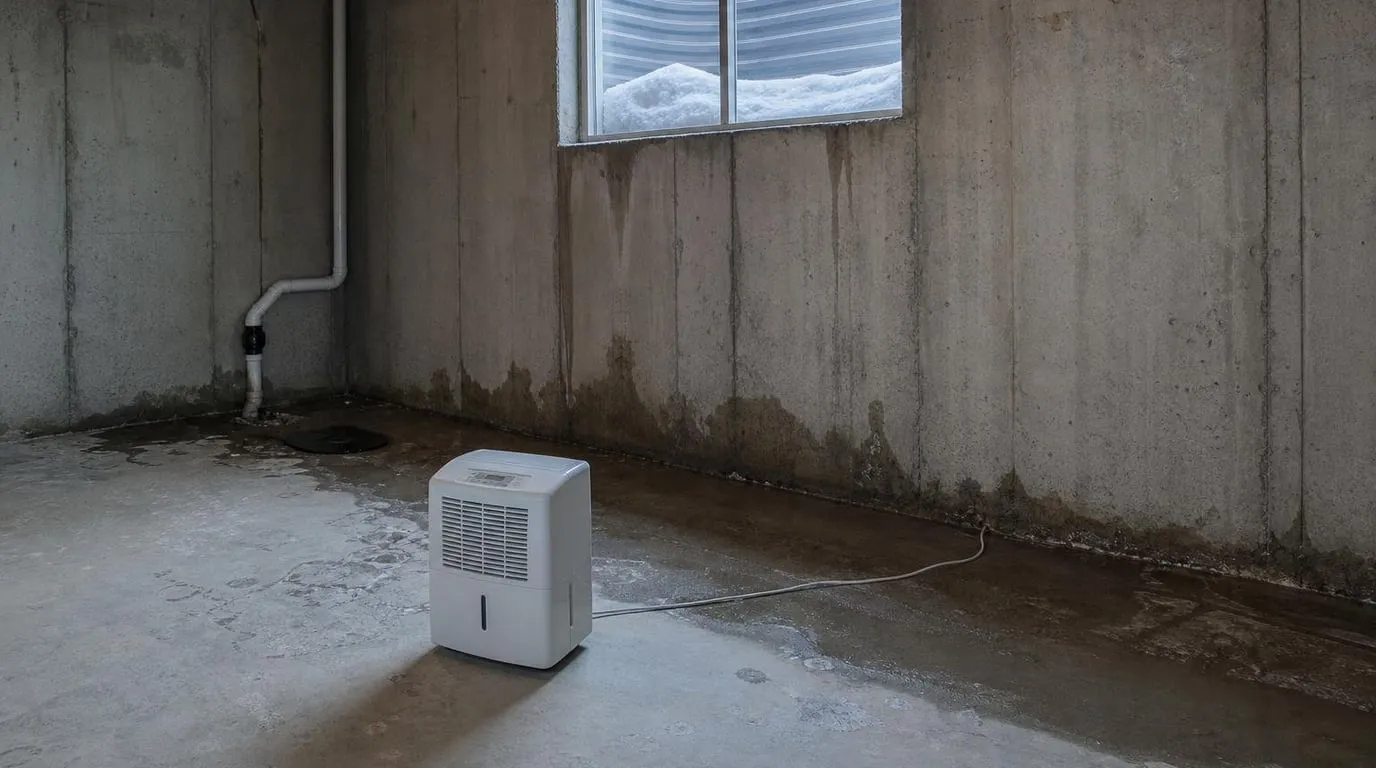
Salt Lake City stores its flood season on the mountains all winter and cashes it in each spring. When the Wasatch snowpack turns over, months of precipitation move through the soil in a few weeks, groundwater rises, and the valley’s tens of thousands of finished basements become the collection point. Big snow years turn this from a trickle problem into a neighborhood-wide event.
Quick answer: SLC basements flood mainly from snowmelt-driven groundwater and surface runoff, entering through window wells, foundation cracks, cove joints, and overwhelmed sumps. Response: power off, document, extract fast, and treat seepage as Category 2 water (saturated pad and drywall come out). Coverage is the catch: groundwater seepage is excluded from standard policies, sump overflow needs an endorsement, and prevention is therefore the highest-value work you can do each fall.
How the Water Gets In
- Window wells fill from saturated ground and clogged drains, then leak or pour through the window, the classic bench-neighborhood entry.
- Foundation walls and cove joints seep under sustained hydrostatic pressure; older Sugar House, Millcreek, and Murray foundations do this every big melt year.
- Sump systems run continuously for weeks in melt season; a stuck float or power blink during a warm spell floods the space the system protected all winter, a failure chain detailed in sump pump failure flooding.
- Frozen or short downspouts dump roof melt directly at the foundation, concentrating exactly the water grading should shed.
Spring also stacks hazards: a late-winter frozen pipe burst and early melt seepage can hit the same basement within weeks: different causes, different coverage, same drywall.
Cleanup Done Right
Snowmelt seepage crossed soil to reach you, making it Category 2 water at minimum. For a finished basement that means:
- Electrical safety first, then documentation of everything, including entry points.
- Extraction, and removal of saturated carpet pad, wet drywall (flood-cut), and soaked insulation.
- Antimicrobial treatment of framing and slab.
- Commercial dehumidification with logged readings to verified dry standard, since below-grade spaces dry slowly and re-wet easily, which is why the structural drying process matters more here than anywhere else in the house.
- Rebuild after the moisture source is addressed.
Skipping steps two through four is how Utah basements grow the fall mold discoveries described in our SLC mold testing guide.
The Fall Checklist That Prevents the Spring Claim
Because groundwater intrusion is largely uninsured, prevention carries the economics: extend downspouts 6+ feet, regrade soil to slope away from the foundation, clear and cover window wells, test the sump and add battery backup, seal known foundation cracks, and during peak melt weeks, shovel snow away from foundation walls. An afternoon of this work regularly saves a five-figure uninsured loss.
Related Services
Bingham Restoration responds across Salt Lake City and the Wasatch Front with extraction, verified drying, and basement rebuild. See our water damage restoration services or call 520-FLOODED.
Frequently Asked Questions
Why do Salt Lake City basements flood in spring?
Snowpack melt saturates ground that may still be partially frozen, groundwater rises, and window wells and foundation walls take sustained hydrostatic pressure. Heavy snow years compress months of water into weeks of melt.
Does homeowners insurance cover snowmelt basement flooding in Utah?
Usually not: water seeping through the foundation or rising groundwater is excluded as flood/surface water. Sump overflow needs an endorsement. Sudden internal sources (burst pipes, water heater failures) are covered — the entry path decides.
What should I do first when my SLC basement floods?
Electricity off to the affected area before entering, then document, then extract. Snowmelt seepage is at least Category 2 water, so saturated carpet pad and drywall typically need removal rather than drying.
How do I protect my basement before melt season?
Extend downspouts, clear window well drains, grade soil away from the foundation, test the sump pump and add battery backup, and clear snow away from foundation walls during big melt weeks.
Are finished basements a mold risk after flooding?
The biggest one in Utah housing. Carpet, drywall, and framing wrapped around damp foundation walls grow mold within days if not properly gutted and dried, the standard finding in under-mitigated spring floods.
Need Emergency Restoration Right Now?
Our crews arrive in 48 minutes on average and bill your insurance directly.
Call 520-FLOODED