
Bingham Restoration Resources
Selling a House With Water Damage: Disclosure and Options
Published August 29, 2026
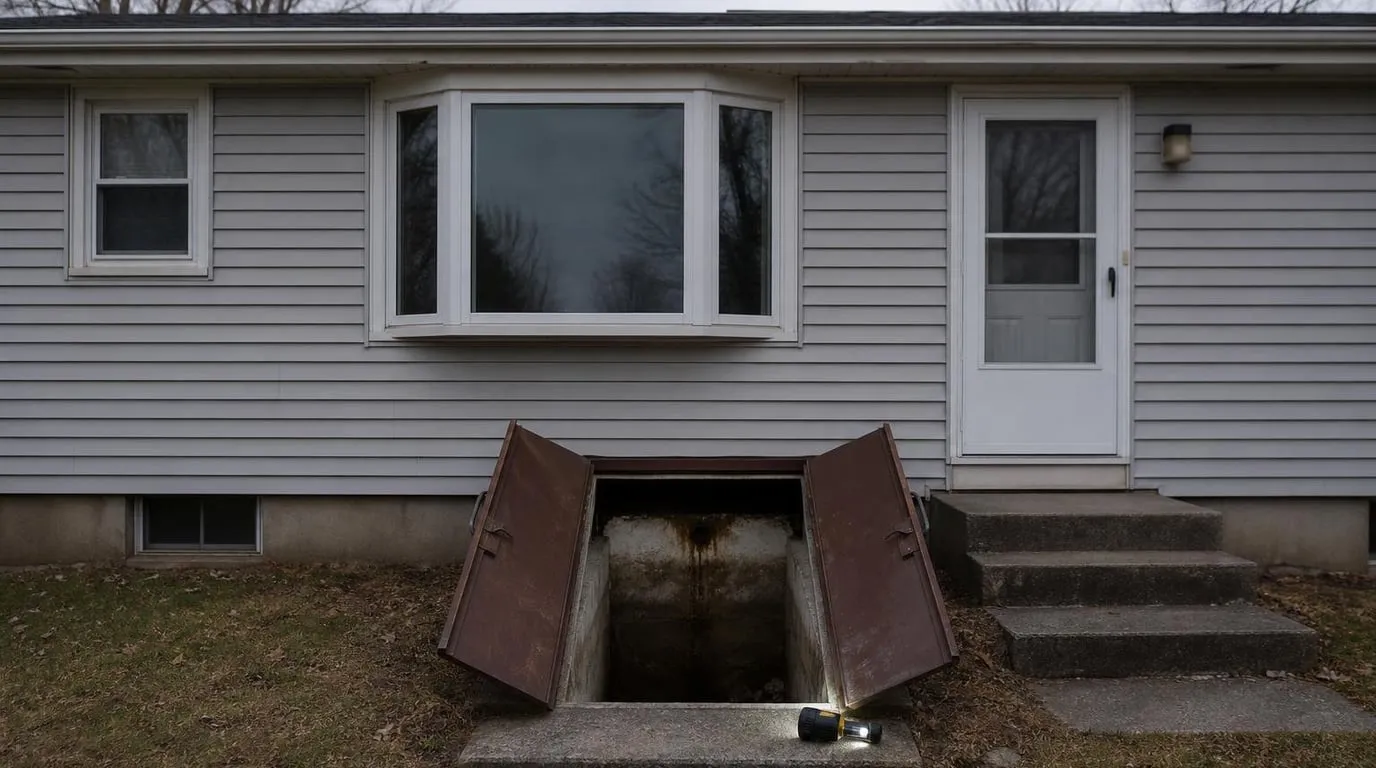
Water damage history follows a house into the market whether the seller brings it up or not: through disclosure forms, through the buyer’s inspector and their moisture meter, and through insurance claim databases. The seller’s real choice is not whether it comes up, but whether it comes up on their terms, with documentation, or as a surprise that reprices the deal.
Quick answer: Disclose known water damage. It is required almost everywhere and strategically wiser regardless. Unrepaired damage sells at a discount larger than the repair cost. The strongest position is a professionally repaired, fully documented loss: mitigation records, drying logs, receipts, and mold clearance where applicable convert a defect into a maintenance story.
Disclosure: The Legal Floor
State disclosure laws vary in form but converge in substance: known material defects must be disclosed, and water intrusion, flooding, leaks, and mold are the canonical examples. Points sellers get wrong:
- Repaired counts. Most forms ask about past damage, not just present damage. Answer truthfully; attach the repair records.
- “As-is” is not an exemption. As-is sales limit repair obligations, not disclosure obligations for known defects.
- Your insurance claims are discoverable. Claim history databases (such as CLUE reports) let buyers and their agents see prior water claims on the property. A disclosure that conflicts with the claim record is worse than the damage itself.
Failure-to-disclose suits are a staple of post-closing litigation, and they routinely cost more than any repair would have.
The Economics of Fixing First
Buyers do not price damage at repair cost; they price it at repair cost plus uncertainty. A water stain of unknown origin makes every buyer imagine the worst version, whether hidden moisture, mold in the walls, or foundation issues, and offer accordingly, if at all. Many lenders balk at active damage, shrinking the buyer pool toward cash investors.
Professional repair flips that math. A documented package removes the uncertainty premium: cause identified and fixed, professional structural drying with daily moisture logs, rebuild receipts, and independent mold clearance testing where growth occurred. In most cases, that recovers more than the repair cost, and it defuses the inspection instead of dreading it.
When repair is not practical (timeline, estate sales, major damage), the honest paths are a disclosed price adjustment, a repair credit at closing, or an as-is investor sale. Each works; concealment does not.
Preparing the Documentation Package
- Written summary of each event: date, cause, extent.
- Mitigation and repair records: contractor invoices, drying logs, scope documents.
- Insurance claim records that match the story.
- Clearance or air quality test results where mold was involved.
- Receipts for preventive upgrades (sump backup, new supply lines, grading) — turn history into evidence of a well-maintained house.
Buyers forgive water history with a paper trail. What they punish is discovery.
Related Services
Bingham Restoration produces sale-ready repairs: professional mitigation, documented drying, rebuild, and clearance testing through our in-house lab. See our water damage restoration services or call 520-FLOODED.
Frequently Asked Questions
Do I have to disclose past water damage when selling?
In nearly every state, yes. Known material defects including water intrusion and mold history belong on the disclosure. Repaired damage generally must still be disclosed, though a documented professional repair reads very differently to buyers than an open issue.
Can I sell a house with unrepaired water damage?
Yes, whether disclosed, priced accordingly, or sold as-is to investors. Expect the discount to exceed the repair cost, because buyers price in uncertainty, not just the fix.
Will past water damage show up in a buyer's inspection?
Assume so. Inspectors carry moisture meters and increasingly thermal cameras, and stains, patched drywall, and musty odors invite exactly that scrutiny. Concealment attempts tend to surface, then poison the negotiation.
Should I fix water damage before listing?
Usually, if the repair is professional and documented. Verified repairs with drying logs and, where relevant, mold clearance testing typically return more than they cost by removing buyer uncertainty.
What happens if I hide water damage and the buyer finds out later?
Failure-to-disclose claims are among the most common post-sale lawsuits. Sellers can be liable for repair costs and damages, and 'I didn't know' fails against evidence like prior insurance claims or repair invoices.
Need Emergency Restoration Right Now?
Our crews arrive in 48 minutes on average and bill your insurance directly.
Call 520-FLOODED